
Hoists 101: Selecting the Right Type for Industrial or Construction Use
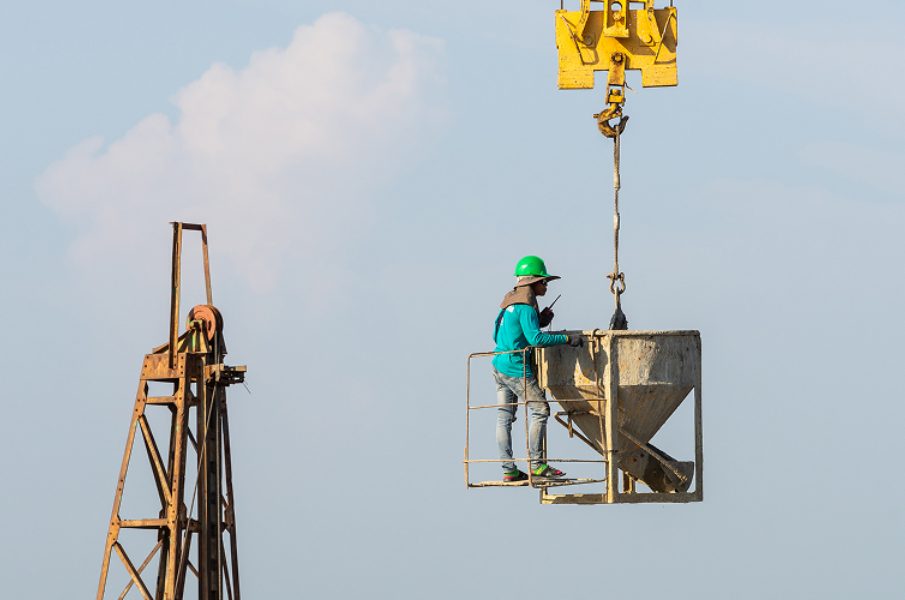
Choosing the right lifting hoist starts with knowing the nature of the loads being moved. Whether it’s for construction, manufacturing, or marine use, you must assess the typical weight range, dimensions, and how frequently lifting is required. Industrial environments that demand continuous operations will need hoists built for regular cycles, whereas occasional tasks may be handled by lighter-duty options. A mismatch in load requirements and hoist capacity could compromise safety and productivity.
Check Compatibility with Existing Infrastructure
Before acquiring new lifting equipment, review how well it integrates with what’s already in place. Hoists need to fit with gantry systems, trolleys, or overhead rails without compromising load stability. Some lifting hoists are sold as standalone units, while others require matching components to ensure smooth operation. Consulting with a crane supplier in Singapore can help verify whether the selected hoist can work within your current setup or if additional fittings are necessary.
Prioritise Safety Features and Control Systems
When selecting a crane hoist, safety must never be secondary. Features such as overload protection, limit switches, emergency stop functions, and fail-safe brakes are essential in any industrial application. Some hoists also offer remote or pendant controls, enabling operators to work from a safe distance. These controls improve visibility and reduce the risk of operator injury. Proper safety functions help meet local safety regulations while enhancing day-to-day confidence in equipment performance.
Consider Maintenance and Lifecycle Costs
Investing in a hoist means committing to its maintenance over time. Some lifting hoists require routine lubrication, part replacement, or alignment checks, especially in high-use environments. Choose a model built for durability and ease of inspection. The long-term cost of ownership includes more than the purchase price like service intervals, spare part availability, and local support also matter. Partnering with a reliable crane supplier in Singapore ensures access to parts and technical assistance when needed.
Match the Hoist Type to the Working Environment
The working environment heavily influences which crane hoist is suitable. Manual hoists, for example, may suffice in smaller workshops or low-use areas, while electric hoists offer speed and convenience in high-demand settings. Pneumatic hoists, on the other hand, are better suited for explosive or sensitive environments where electric sparks must be avoided. Evaluating the site’s physical layout, access to power sources, and operating conditions will help narrow down the choices.
Know the Difference Between Portable and Fixed Systems
Lifting hoists may be designed for stationary setups or mobile use. In facilities where the hoist remains in one location, a fixed system such as a beam-mounted crane hoist is ideal. However, if the hoist must be relocated between workstations or job sites, portable options provide more flexibility. Many crane suppliers in Singapore offer modular systems that can adapt to changing floor plans or temporary installations.
Account for Load Travel and Hoisting Speed
Different applications require different lifting speeds and travel distances. In production lines where every second counts, slow-moving hoists may cause bottlenecks. Conversely, lifting delicate or awkward items might require slow, controlled movements to prevent damage. Make sure to match hoist speed and travel range with your operational needs to maintain a smooth and predictable workflow.
Choose a Supplier Who Understands Your Industry
A supplier’s expertise can significantly influence the outcome of your purchase. A reputable crane supplier in Singapore will take the time to understand your site’s requirements and recommend products accordingly. Beyond supplying equipment, they can advise on installation, compliance, and custom solutions. The right supplier acts as a technical partner, not just a vendor.
For more information about the best crane suppliers in Singapore, contact Shin Guan today.