
The Ancient Art of Bonsai: Growing a Forest in the Palm of Your Hand
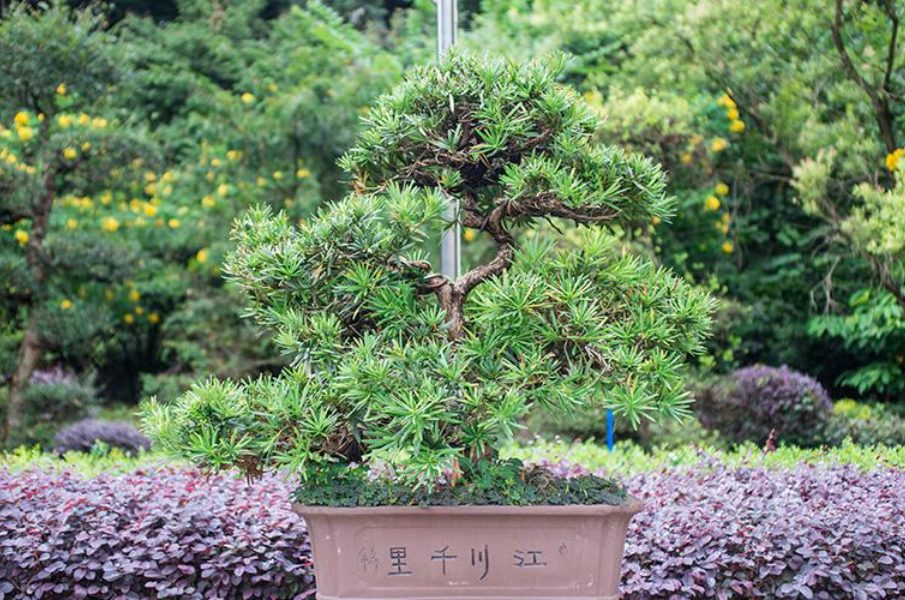
The art of bonsai traces its roots back over a thousand years, emerging in China before being refined and transformed in Japan. The term means “planted in a container,” but the practice is much deeper than the literal translation suggests. Originally, bonsai represented a spiritual connection between man, nature, and time. By nurturing a tree within the confines of a pot, practitioners mirrored the broader forces of growth, struggle, and beauty found in nature. Today, bonsai continues to symbolise patience, discipline, and harmony.
Bonsai as an Expression of Nature’s Grandeur
Bonsai seeks to capture the grandeur of towering forests and rugged landscapes within a few inches of soil. Each tree is carefully cultivated to express the illusion of age, resilience, and scale, creating a living artwork that reflects natural forces. A successful bonsai evokes the feeling of standing before an ancient tree, even though it rests comfortably in the palm of a hand. The visual effect is achieved through years of pruning, wiring, and thoughtful design.
Key Techniques for Growing Bonsai
Pruning is fundamental to bonsai cultivation. By carefully trimming branches and roots, growers control the size and shape of the tree, encouraging the development of dense foliage and intricate branch patterns. Wiring is another essential method, allowing the artist to bend and position branches to create a desired silhouette. Repotting helps maintain health, preventing roots from becoming pot-bound and refreshing the soil nutrients. These techniques demand precision and a long-term vision, as bonsai is shaped over many years, sometimes decades.
Selecting the Right Species for Bonsai
Choosing a suitable tree species is an important step in successful bonsai cultivation. Different species offer varying growth habits, leaf sizes, and responses to shaping. Traditional favourites include junipers, maples, and pines, each bringing distinct visual qualities. Deciduous trees may offer seasonal interest with autumn colour changes, while evergreens provide year-round greenery. Understanding the needs and characteristics of each species allows growers to select a tree that aligns with their environment and artistic vision.
Creating a Forest in Miniature
While a single bonsai tree is captivating, forest-style bonsai arrangements elevate the art even further. Known as “Yose-ue,” this style involves planting multiple trees in a single tray to create the impression of a natural woodland. The variation of these trees is important in seeing realism. The goal is to create depth and perspective, giving the illusion of walking through a full-sized forest. Careful planning and an understanding of tree dynamics are required to execute a believable and harmonious composition.
The Importance of Patience and Observation
Growing bonsai teaches patience, unlike many other forms of horticulture. Progress unfolds slowly, with meaningful changes appearing across seasons rather than weeks. Careful observation is essential, allowing the grower to respond to the tree’s subtle cues. Over time, the relationship between grower and tree deepens, creating a quiet dialogue that informs pruning decisions, watering routines, and aesthetic adjustments. The steady rhythm of bonsai care encourages mindfulness and a deeper appreciation for natural cycles.
Learn More: Top 10 Money Plants
Challenges and Rewards of Bonsai Cultivation
Bonsai cultivation is filled with challenges, from pests and diseases to maintaining miniature proportions without compromising tree health. Environmental stresses like temperature changes, humidity fluctuations, and watering inconsistencies must be managed carefully. Watching a tree flourish under deliberate care, seeing it age gracefully, and knowing it may live for generations offers immense satisfaction. Bonsai trees are often heirlooms, joining families through stewardship and art.
Bonsai as a Living Reflection of Time
Unlike many other artistic forms, bonsai evolves continually. No two seasons present the same appearance, and each year brings subtle changes in structure and form. This dynamic quality reinforces bonsai’s unique place as a living art form. Rather than capturing a single moment, bonsai embodies the passage of time, reminding growers of nature’s slow but powerful progression. The imperfections, scars, and twists in a bonsai’s trunk tell a story that spans years, offering a living testament to resilience and beauty.
The Enduring Allure of Bonsai
The ancient art of bonsai continues to inspire and challenge gardeners around the world. Its blend of technical skill, artistic vision, and respect for nature offers a profound experience that few other hobbies can match. Whether shaping a single tree or creating a miniature forest, the practice of bonsai connects us to the natural world.
For more information about bonsai trees, contact JM Flower today.