
Corporate Catering in Singapore: The Secret to Stress-Free Events
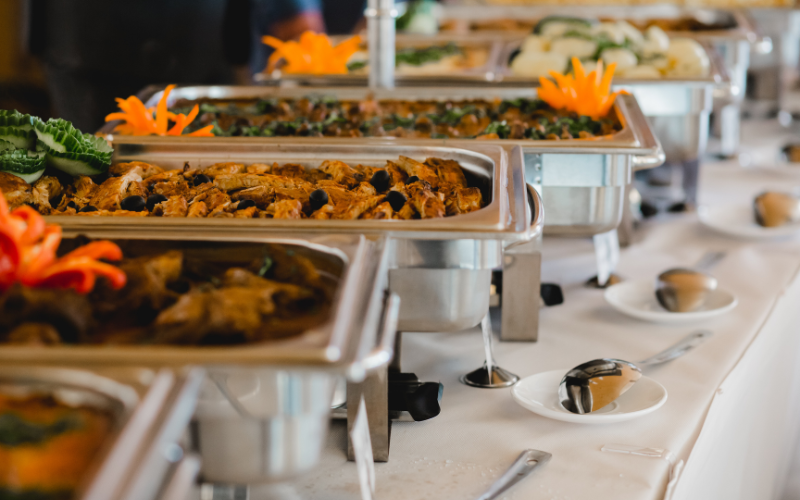
The right catering service can make all the difference. Corporate catering in Singapore is more than just delivering food. It’s about crafting meals that reflect a company’s brand, values, and hospitality standards. An institutional caterer offers convenience, reliability, and a touch of professionalism. But how do you choose the right catering partner? What factors make or break a corporate meal experience? And what do the numbers say about food preferences in corporate settings?
What to Consider When Choosing a Corporate Caterer
Selecting corporate catering in Singapore is about the menu, logistics, reliability, and ability to cater to diverse dietary needs. Businesses must define their catering requirements, considering factors such as frequency, budget, and the nature of the event or service.
One key consideration is scalability. A small business hosting a one-off team lunch may require a different level of service than a multinational corporation arranging daily meals for hundreds of employees. Institutional caterers are often the go-to choice for businesses that require regular, high-volume catering.
Dietary preferences and restrictions are another crucial aspect. Companies today are more conscious of offering diverse meal options to accommodate different cultures, religious beliefs, and health concerns. A reputable caterer should have the flexibility to adjust menus while maintaining high-quality standards.
Presentation and service style also play a role. Some corporate events require plated meals with professional table service. Others benefit from buffet-style setups or convenient bento boxes. Understanding what best suits the occasion can help businesses align their catering choices with their goals.
Finally, businesses must assess the caterer’s reputation. Client testimonials, online reviews, and previous event portfolios provide valuable insights into service quality. Requesting sample tastings or trial orders can also help in making an informed decision.
The Process Behind Corporate Catering
Once a business selects a corporate catering in Singapore, what happens next? The process involves careful planning, execution, and ongoing coordination to ensure smooth operations.
The journey starts with menu planning and customisation. Caterers work closely with businesses to design menus that align with company preferences and dietary needs. This process includes selecting main courses, side dishes, and beverages while balancing nutrition, taste, and presentation.
Logistics come into play next. Efficient institutional caterers have streamlined kitchen operations and well-coordinated delivery schedules to ensure food arrives fresh and on time. Logistics can be highly complex, requiring careful planning to manage ingredients, cooking schedules, and transport routes.
Food safety and hygiene standards are also critical. Reputable caterers adhere to stringent food handling procedures, ensuring that meals are prepared in clean environments and transported under regulated conditions. This is important for companies that provide daily meal services, where consistency in food quality is paramount.
Staffing is another component. For high-end corporate events, caterers may provide professional servers, bartenders, and event coordinators. Meanwhile, institutional catering relies more on efficiency, with trained staff ensuring quick and smooth meal distribution.
Sustainability is becoming a bigger concern in the catering industry. Many corporate clients now prefer caterers that offer eco-friendly packaging, locally sourced ingredients, and minimal food waste policies.
Trends in Corporate Catering and Institutional Food Services
Corporate catering is also a business strategy. Analysing trends in corporate catering in Singapore can help businesses make smarter decisions about their meal services.
One major trend is the shift toward health-conscious eating. With increasing awareness of nutrition’s impact on productivity and well-being, businesses are prioritising balanced meals. Caterers that offer low-calorie, high-protein, and plant-based options are seeing growing demand, especially in workplaces that promote wellness initiatives.
Flexibility is another key factor shaping the industry. Some companies opt for on-demand catering instead of fixed meal plans, allowing employees to order only on office days. Institutional caterers are responding by offering flexible subscription models and customisable meal plans.
Data also shows that presentation matters. Surveys indicate that employees and clients associate visually appealing meals with higher quality, even if the ingredients remain the same. Businesses looking to impress stakeholders should consider caterers that invest in elevated food presentation and creative plating.
Companies that incorporate eco-friendly catering practices, such as biodegradable packaging and minimal food waste initiatives, are more likely to win over corporate clients. Businesses are increasingly choosing caterers that align with their corporate social responsibility goals.
Catering as a Business Asset
Choosing the right corporate catering in Singapore can impact everything from productivity to company reputation. The key to successful corporate catering lies in understanding the needs of employees and clients, selecting a flexible caterer, and ensuring that food quality, presentation, and sustainability align with corporate values. Embracing trends that prioritise health, convenience, and environmental responsibility.
A well-fed workforce is a happy and productive one. Investing in the right catering service is about creating experiences that enhance company culture, strengthen professional relationships, and leave a lasting impression.