
Tips for Using Solo Aerosols to Test Smoke Detectors Safely
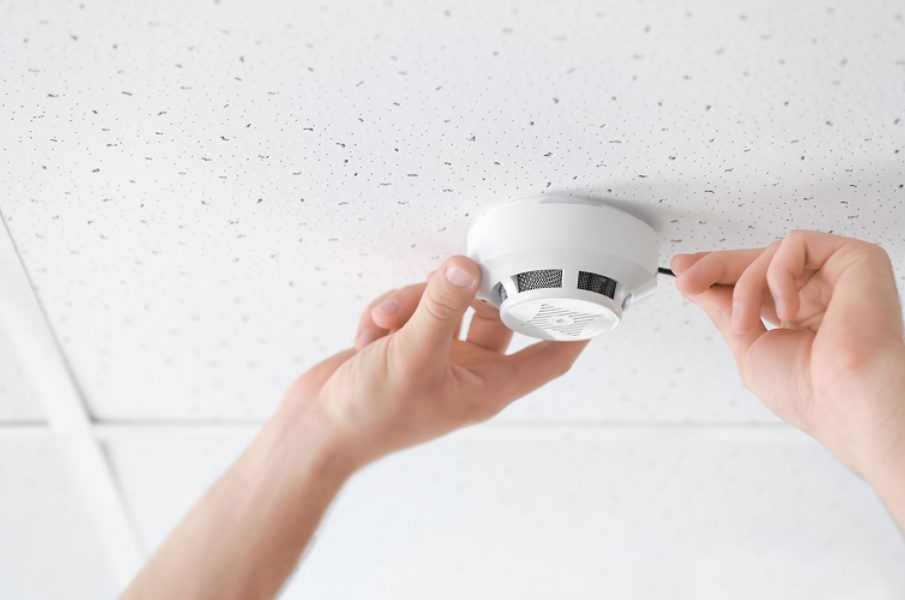
Testing smoke detectors sounds straightforward, although anyone who’s ever stood under a ceiling at 7 am with a pole in hand knows it can feel more fiddly than expected. Because fire safety is a real concern in Singapore’s residential blocks, offices, and industrial sites, keeping detectors working properly matters more than we sometimes realise.
That’s where tools like a Solo tester step in. They make the whole task lighter and safer, especially when you want accurate tests without triggering unnecessary alarms or damaging sensitive components. A little confidence goes a long way when you’re dealing with safety equipment.
Before anything else, it helps to understand why aerosols are so widely used. They simulate the smoke a detector needs to sense, but without the real danger or mess. It’s a clever workaround that technicians rely on daily.
Let’s Talk About the Solo Aerosol Approach
When you’re using a Solo tester, the goal is to deliver just enough aerosol to the detector’s sensing chamber. Not too much, not too little. Think of it like seasoning a dish: a dash can elevate it, but a flood can ruin the whole thing.
The aerosols are meant to sit inside a controlled cup or dispenser so they reach the detector evenly. It keeps the test realistic, helps alarms respond accurately, and reduces false activations. In many Singapore facilities, this method is preferred because it maintains reliable testing standards.
One helpful reminder is to hold the aerosol under the detector for a consistent amount of time. Short bursts may not be enough, while longer sprays can overwhelm the device. You’ll get the feel for the right amount as you do it more often.
The Gentle Touch: Avoiding Damage While Testing
Some people tend to get nervous when they’re handling equipment overhead, and that’s perfectly normal. Detectors are more durable than we think, but they still need gentle handling. This is where the Solo detector removal tool helps. If a detector needs to be taken down for cleaning, resetting, or replacement, the tool keeps everything secure and prevents twisting or forcing the unit.
By using proper tools, you reduce the temptation to tug or yank the detector out of place. Honestly, that’s usually where damage starts. A safer grip means smoother maintenance and fewer repair costs.
What You Should Keep in Mind Before Spraying
Here’s something many new technicians forget: surroundings matter. Singapore has plenty of tight ceilings, ducts, and overhead fittings. In places like mall corridors or HDB void decks, there’s often limited space to manoeuvre a pole.
It’s worth taking a moment to check that there’s adequate clearance around the detector so the cup can sit correctly. Make sure the aerosol can is locked into the dispenser, and stand in a stable position while holding the pole. And if there’s nearby airflow from vents or fans, be aware that it can blow the aerosol away from the detector, which can lead to repeated attempts.
Thinking ahead like this saves time and avoids frustration.
Positioning Matters More Than You Think
Here’s the thing: the angle of the Solo tester matters. Centre it gently over the detector instead of forcing it upward. A relaxed, controlled placement usually gives a smoother reading. Watch the detector’s indicator light too. Many modern units installed in Singapore’s offices come with LEDs that signal when smoke is detected. This makes the process more intuitive.
If the detector doesn’t respond immediately, remain calm. Step back, take a moment, and try again with a slightly longer application of aerosol. This small adjustment often solves the problem.
Safety First, Even When It Feels Routine
Testing can start to feel repetitive after a while, and that’s when small mistakes creep in. Stick to using authorised aerosols because cheaper substitutes may leave residue. Don’t perform tests too quickly, one after another, because detectors need a short reset period. Give colleagues a quick heads-up before you start—especially in smaller work areas—and store aerosols away from heat so they don’t degrade. Small habits like these build up into safer routines.
Conclusion
When you’re working with tools like a Solo tester or a Solo detector removal tool, you’re really giving the building a simple but essential health check. Testing smoke detectors keeps people safe, reduces fire risks, and offers peace of mind that alarms will respond during emergencies.
If you need help choosing the right testing tools or want professional guidance for your building’s fire safety needs, contact Atlas Technologies Corporation today.