
Creative Wayfinding Strategies Improving Visitor Movement Throughout Complex ArchitecturalEnvironments
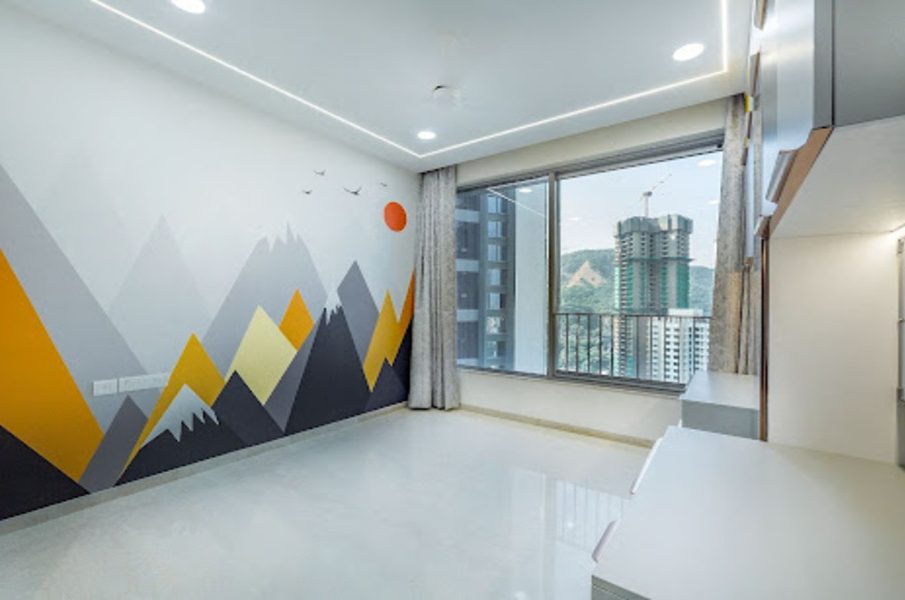
Creative Wayfinding Strategies Improving Visitor Movement Throughout Complex Architectural Environments emphasizes spatial clarity supported through artful directional cues shaped for ease. Teams collaborating with SPM Design la wayfinding designer often refine intuitive markers suited to varied structures. Subtle signals help guests absorb information quickly while moving confidently. Graphic cues strengthen comfort by reducing uncertainty across extended journeys. Each component heightens recognition within unfamiliar zones. Consistent logic empowers travellers to navigate demanding settings with assurance.
Visual Hierarchies Guiding Transitions
Clear sequencing strengthens legibility across large facilities by establishing predictable cues. Scaled components simplify decisions while lowering cognitive strain. Contrasting tones attract attention without overwhelming surroundings. Cohesive layouts sustain dependable guidance throughout interconnected spaces.
Core Factors Shaping Directional Systems
Precise alignment with circulation patterns supports efficient movement in complex networks. Consistency ensures users identify essential markers instantly.
- Distinct symbols reinforce clarity while aiding travellers moving through long corridors.
- Bold contrasts highlight primary routes guiding guests toward important facility entries.
- Repeated motifs support memory, helping visitors retrace earlier directional choices.
- Elevated markers improve visibility through crowded halls during peak operational hours.
- Textured panels assist users requiring tactile confirmation along intricate routes.
- Minimalist icons reduce confusion while maintaining crisp, recognizable communication.
- Angled pointers encourage smooth turns, directing movement toward intersecting paths.
- Illuminated beacons clarify night-time navigation within extensively layered structures.
Directional Planning Methods Table
Robust planning improves both performance and accessibility across intricate structures. Organized tools help unify concepts, ensuring markers remain practical and visually coherent. Consistent evaluation supports long-term adaptability for high-traffic properties. The table introduces supportive practices for advanced routing plans.
| Method | Key Purpose | Suitable Environment |
| Zone-coded layering | Defines clusters for faster recognition | Multi-wing educational centers |
| Pictogram sequencing | Simplifies cross-lingual communication | International transit terminals |
| Motion-line mapping | Predicts directional flow patterns | Expansive museum complexes |
| Entrance-to-core tracing | Establishes direct priority pathways | High-capacity event venues |
Design Coordination FAQ
- How do firms refine curated systems? They align creative elements with project goals.
- Why seek specialists for routing? Expertise safeguards against confusing or mismatched cues.
- What shapes effective communication tools? Strong motifs matched to user expectations enhance clarity.
- How does curated art support guidance? Visual accents reinforce orientation within extended interiors.
Crafted Insight for Ongoing Direction
Structured routing fosters smoother circulation across multi-layered properties. Trust grows when travellers follow signals that never contradict expectations. Well-crafted SPM Design la wayfinding designerencourage comfortable exploration at every turn. These methods elevate spatial understanding while empowering confident forward motion.