
Essential Equipment and Tools Used in a Cleanroom Environment
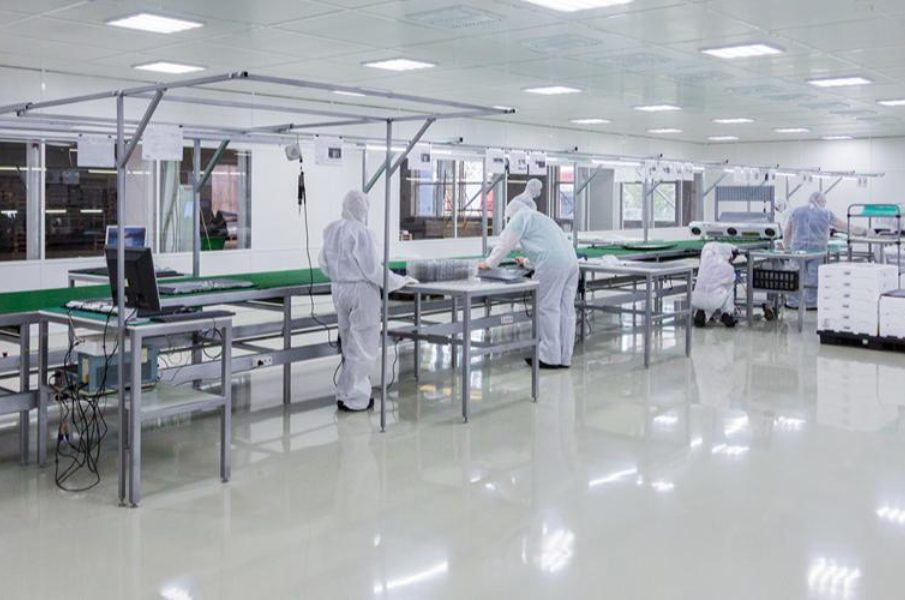
Maintaining precision in a cleanroom environment focuses on maintaining controlled air quality and preventing contamination through careful design and equipment management. From advanced filters to protective gear, every detail matters. These tools help maintain quality and consistency, allowing engineers and technicians to perform delicate processes with full control.
The Role of Air Filtration and Pressure Control
Cleanrooms depend on airflow to maintain their cleanliness. High Efficiency Particulate Air (HEPA) and Ultra-Low Penetration Air (ULPA) filters remove particles that could affect product quality. Constant air circulation keeps contaminants from settling on surfaces or sensitive equipment. Pressure control systems also maintain direction of airflow, ensuring clean air flows from higher to lower pressure areas.
An electroplating company in Singapore, for instance, relies heavily on these systems to protect surfaces during coating and finishing. Even the smallest particle could affect the outcome of a plating process, so maintaining air purity is as crucial as the chemical balance.
Equipment for Monitoring and Measurement
Cleanrooms rely on monitoring systems that track air quality, humidity, and particle count with precision. These systems provide continuous data so that technicians can make quick corrections before contamination becomes a problem. Calibration tools keep instruments accurate, while sensors help maintain stable temperature and humidity levels.
In industries such as semiconductor production, biotechnology, and precision assembly, even a small change in environmental conditions can lead to product defects. Reliable monitoring equipment supports stability, allowing each sensor, gauge, and counter to contribute to the room’s balance and performance.
Protective Clothing and Personal Gear
People are among the largest sources of contamination inside a cleanroom environment. To minimise this, staff wear garments that limit particle release. Gloves, masks, gowns, and shoe covers provide a protective layer between workers and sensitive products, keeping contaminants contained.
Each piece of gear must meet the standards assigned to the cleanroom classification. In some electroplating companies in Singapore facilities, workers wear anti-static clothing and multi-layer suits to reduce both sparks and dust. The right clothing ensures safety for both staff and the materials being processed.
Cleaning Tools and Maintenance Equipment
Keeping a cleanroom spotless requires the right cleaning tools. Non-lint wipes, HEPA-filtered vacuums, and smooth-surfaced mops ensure dirt and particles do not accumulate. Cleaning agents must remove residue effectively while leaving no chemical traces.
Surfaces are wiped in consistent patterns to prevent contaminants from spreading. Ceilings, walls, and floors receive equal attention to maintain uniform cleanliness. Each piece of cleaning equipment is built to protect sensitive surfaces and maintain a controlled environment.
Workstations and Furniture Design
Workstations in a cleanroom environment follow strict design requirements. Stainless steel and polymer materials are chosen because they resist corrosion and are easy to sanitise. Furniture such as chairs, tables, and cabinets are constructed with smooth, rounded edges to prevent dust build-up.
At an electroplating company in Singapore, worktables often include ventilation and drainage features that remove fumes and liquids safely. Ergonomic setups help employees perform precise tasks efficiently and comfortably, ensuring consistency and focus throughout their work.
Instruments and Support Systems
Supporting instruments such as microscopes, balances, and robotic arms must function without disruption. Anti-vibration mounts and static-safe surfaces protect delicate tools from interference. Each piece of equipment is inspected regularly to maintain reliability.
Lighting also plays a key role. Bright, uniform illumination reduces mistakes and eye strain. LED fixtures that emit little heat keep the workspace well-lit and stable, ensuring that sensitive materials are not affected by temperature changes.
Why Equipment Consistency Matters
Consistency is the backbone of cleanroom performance. A well-maintained environment ensures products meet the required specifications every single time. Whether it is electronic components, medical devices, or chemical coatings, cleanrooms provide the confidence that quality will not vary from one batch to another.
Having reliable tools also reduces downtime. Regular calibration and preventive maintenance help avoid unexpected equipment failures. The smoother the process runs, the higher the productivity and overall product quality.
The Future of Cleanroom Technology
Innovation continues to refine cleanroom tools, introducing systems that use automation and data analytics to improve control. Smart sensors can now alert technicians when filters need replacement or when airflow becomes uneven. These upgrades make cleanroom management more efficient while reducing energy consumption.
The use of environmentally friendly cleaning agents and recyclable protective gear is also gaining traction. Modern facilities seek to balance precision with sustainability, ensuring the process protects both the product and the planet.
Cleanrooms remain an essential part of modern manufacturing, from electronics to healthcare. Their success lies in the details, the tools, the systems, and the people who manage them. Contact Singapore Epson Industrial to find reliable equipment and support systems that meet your cleanroom needs.


